
Technology
Service work, learning, gaming, care and communication move through headsets.
ESVI Group International is an international advocacy group for people whose work or learning depends on sound. The people you met have different stories. The moment to notice is the same: a change in hearing, balance, vision, concentration, or performance deserves to be heard in the order it happened.
The issue becomes real when a person recognizes their own work, their own family, or their own unexplained change.
ESVI begins with recognition - not with an institution, a diagnosis, or a statistic.
A worker sees the job. A spouse sees the person who comes home changed. A parent sees the child whose concentration, balance, headaches, sound tolerance, or behavior no longer seem ordinary.
 01Customer ServiceIs this your work?
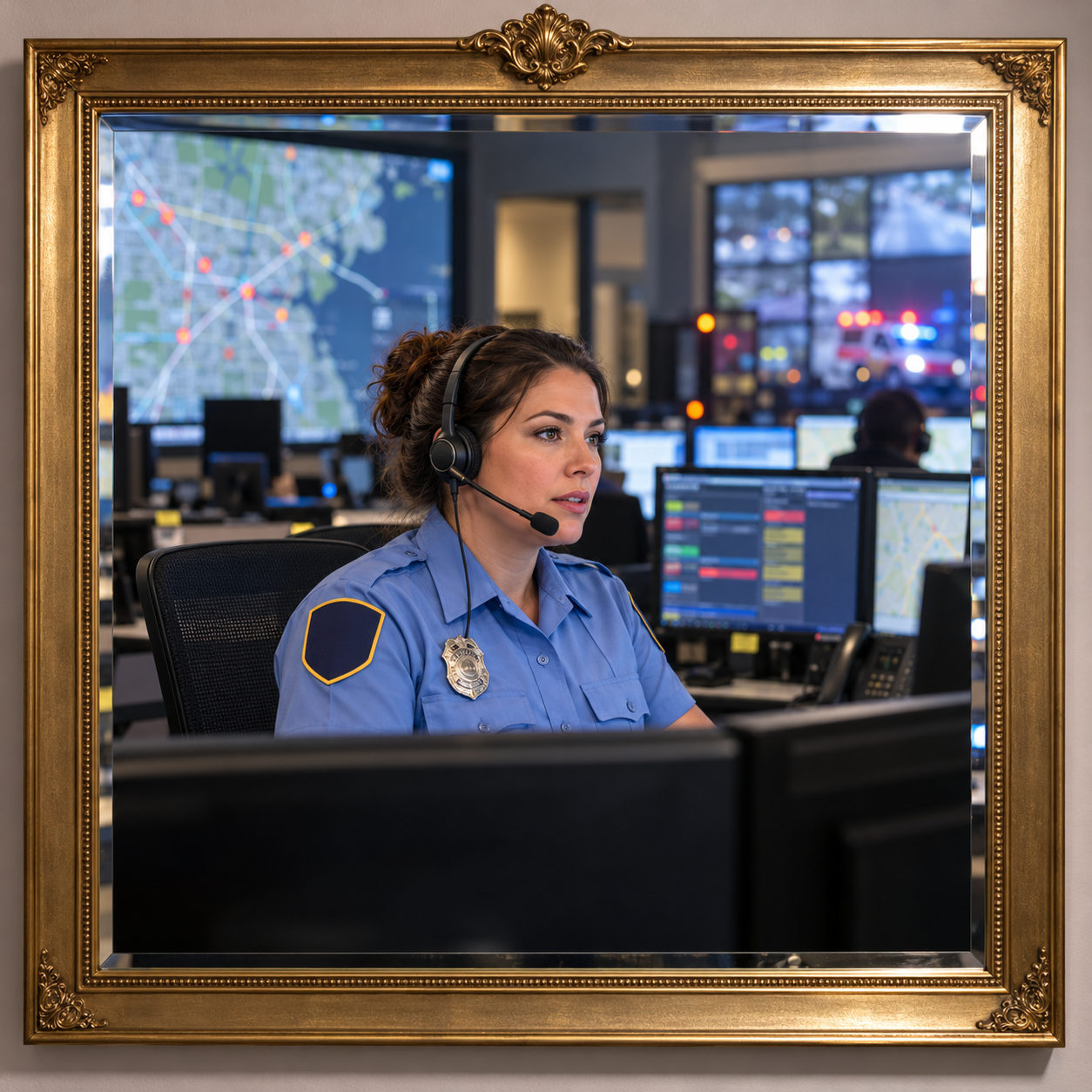 02Emergency DispatchIs this your shift?
 03Your FamilyWho else sees the change?
 04HealthcareDoes care depend on your headset?
The person enters through the image they recognize. The questions then establish the work, the change, the witnesses, and the response that never came.
Enter the ESVI mirror →Service work, learning, gaming, care and communication move through headsets.
Near-field audio becomes frequent, prolonged and embedded in daily life.
Auditory, vestibular, visual and cognitive changes may emerge together or apart.
The pattern may be fragmented into stress, behavior, migraine, hormones or burnout.
Work demands and ordinary routines keep the person inside the same conditions.
Automation may end the job - and scatter the records connecting health to work.
Job separation can erase access to schedules, call metrics, occupational-health contacts, accommodation history, insurance continuity, and witnesses who understood the work.